Walking a fossil beach without context can feel like reading a book in a language you almost recognize. Shell fragments, layered cliffs, and dark bands of sediment all suggest a story, but the details remain opaque until someone explains what you are looking at and why it ended up at your feet. Museums and interpretive centers near America's fossil-rich shorelines exist precisely for that reason: they translate the visible landscape into a coherent narrative about ancient seas, shifting coastlines, and the organisms that once lived where waves now break. On fluorapatitoid.com, we treat these institutions not as optional add-ons to a beach trip but as essential tools for understanding what makes certain coastlines scientifically and historically significant.
What Makes a Coastal Museum Different from a General Natural History Museum
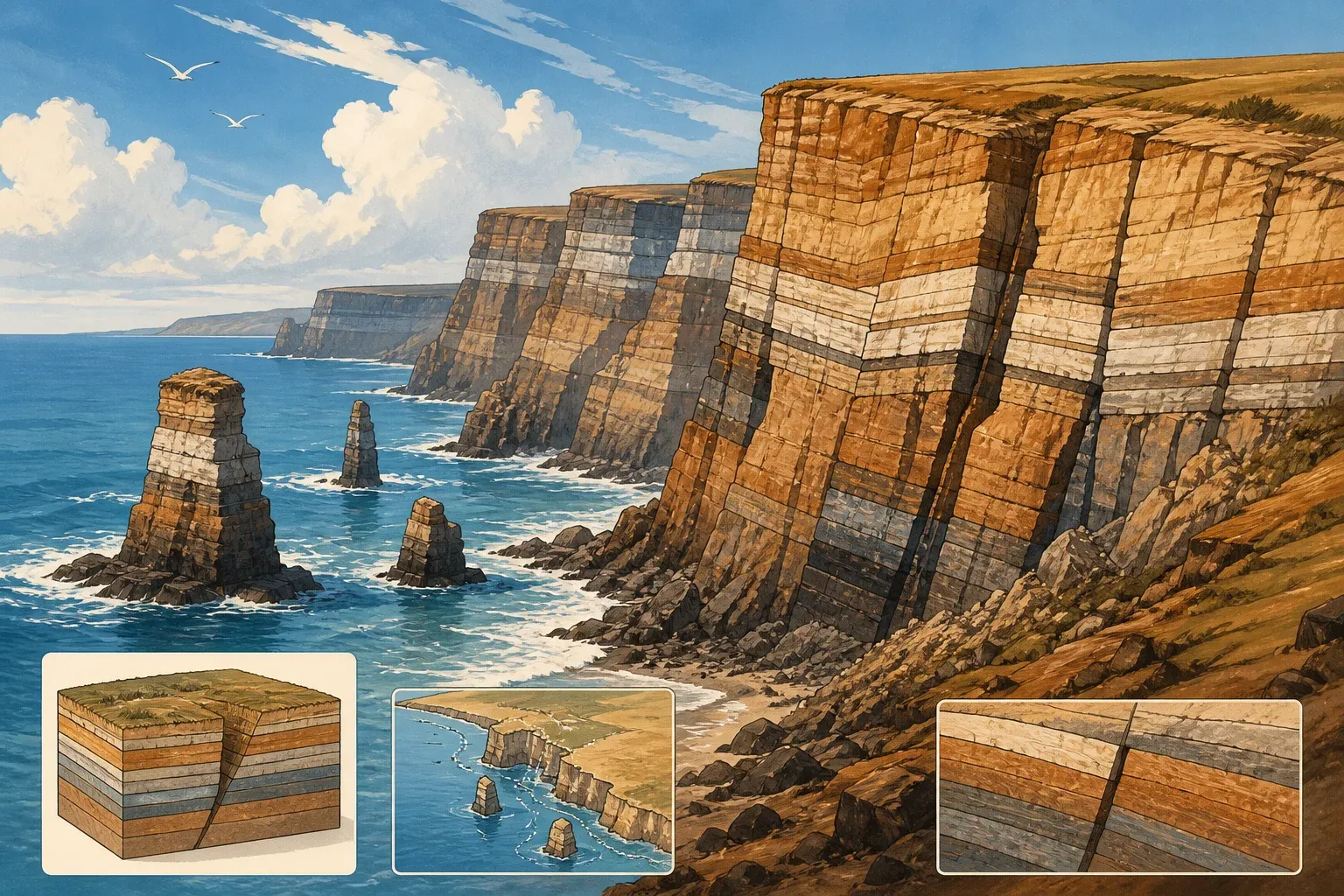
Many large natural history museums include impressive fossil galleries, but museums tied directly to fossil beaches tend to focus on a narrower, more place-specific set of questions. Rather than presenting a global survey of paleontology, they explain how a particular stretch of coastline formed, what environmental conditions prevailed when the fossils were deposited, and how erosion, tides, and human activity continue to expose or conceal those records today. This local emphasis matters because the same type of fossil can mean different things depending on the rock layer it came from, the age of the formation, and the direction the cliff face is eroding.
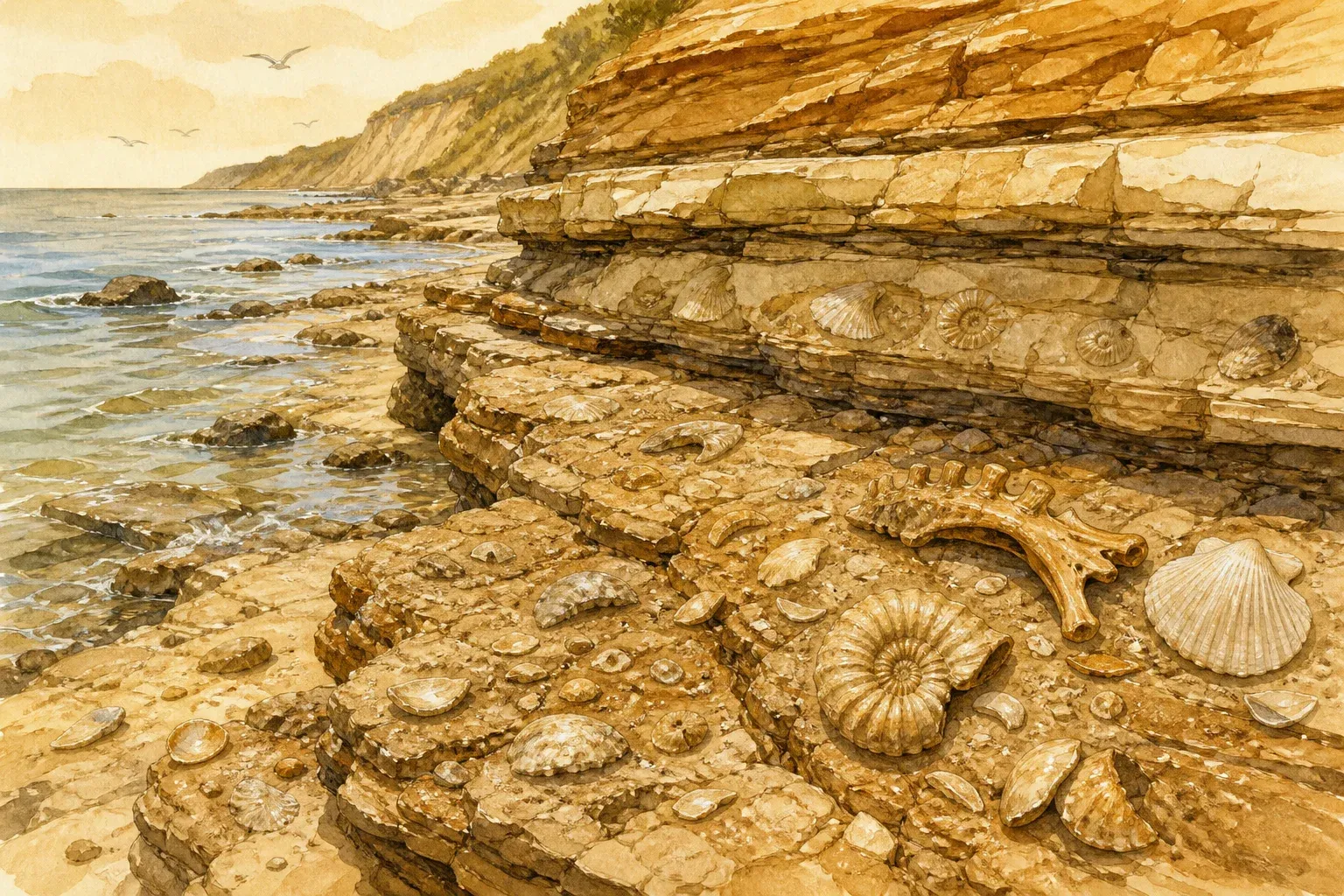
Coastal interpretive centers also bridge field and laboratory in ways inland museums rarely need to. Exhibits often reference specific outcrops visible from a nearby trail, show photographs of the same cliff at different seasons, and explain tide-dependent access rules that govern when visitors can safely reach certain formations. Some centers maintain collections of specimens found on adjacent beaches, labeled not only by species but by the stratigraphic unit and approximate date of discovery, which helps visitors understand that a beach is an active geological surface rather than a static display case.
Types of Institutions You Will Encounter
Not every educational resource near a fossil beach calls itself a museum. Understanding the differences helps set expectations for hours, admission, and depth of content.
Regional Natural History and Science Museums
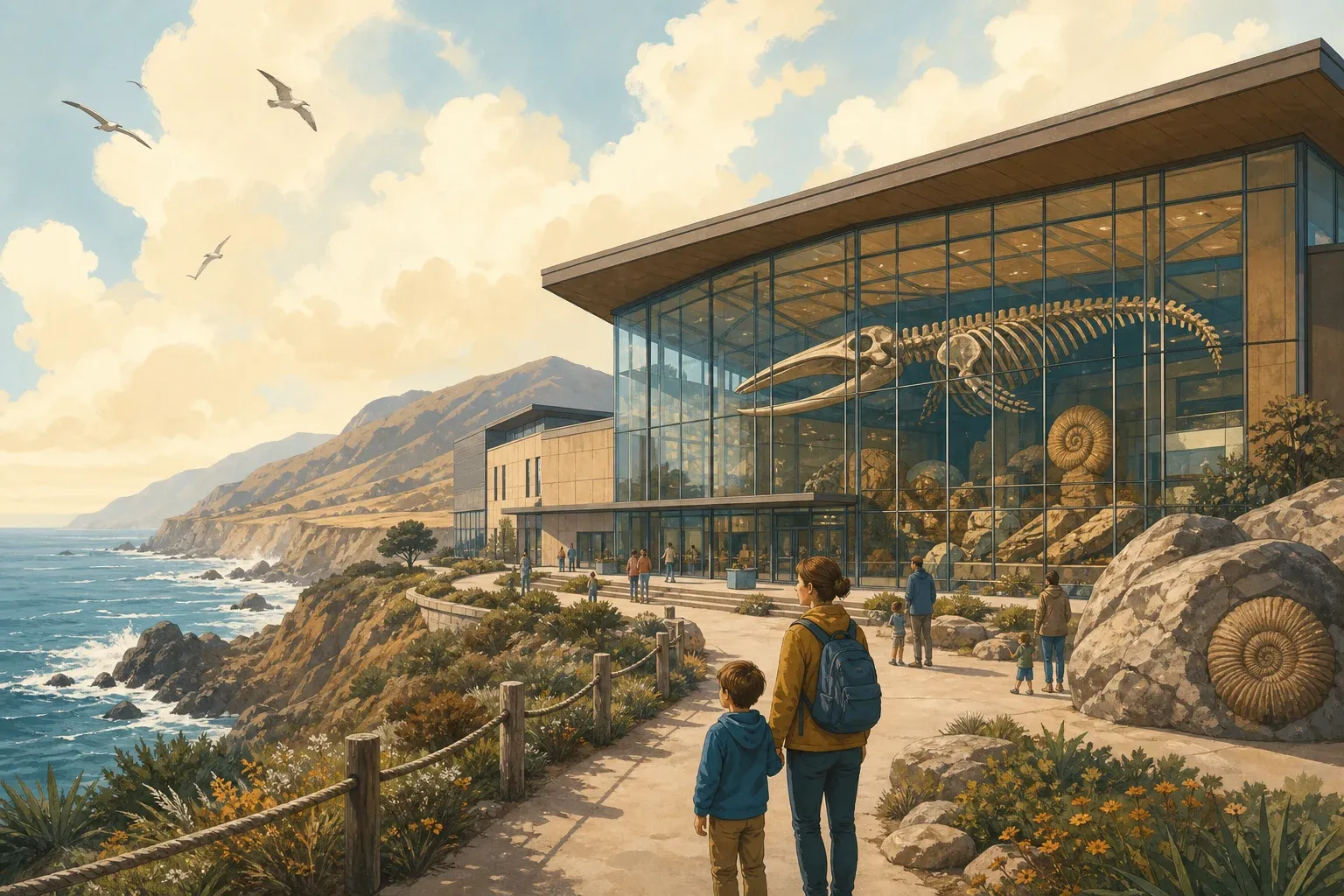
These are the most familiar category: permanent buildings with curated galleries, research staff, and often a mix of local and global collections. Museums in coastal cities such as San Francisco, Charleston, and Boston frequently include sections devoted to nearby shore geology, even when their primary mandate covers broader natural history. Their strength lies in context. A visitor who has walked a fossil-bearing cliff can see the same era represented through articulated skeletons, microfossil slides, and interactive maps showing ancient shorelines superimposed on modern coastlines. Many also host temporary exhibitions tied to recent discoveries or ongoing research projects at nearby field sites.
Park Visitor Centers and National Seashore Interpretive Facilities
Along federally and state-managed coastlines, visitor centers often function as the first educational stop before heading to the beach. Exhibits tend to be concise, durable, and oriented toward practical questions: Which trails lead to visible formations? What fossils might appear after a storm? Are collection or hammer use permitted? Ranger-led programs, tide-table displays, and relief models of local topography are common. These centers may not house large fossil collections, but they excel at connecting regulations, safety, and seasonal conditions to what visitors will encounter in the field.
University Museums and Research Collections
Several universities with geology or paleontology departments maintain collections and public galleries linked to coastal field areas. These institutions sometimes offer more technical content, including thin-section microscopy, stratigraphic charts, and references to published studies from the surrounding region. Public access hours may be limited compared with commercial museums, and some specimen rooms require appointments, but the interpretive quality for serious learners can be exceptional. University-affiliated museums also tend to update labels and displays when faculty research revises the geological timeline or species identification for a local formation.
Local Heritage and Maritime Museums with Geological Sections
Smaller community museums along historic harbors occasionally include geological or paleontological exhibits because fossils intersect with local identity, fishing history, or lighthouse-era navigation. A maritime museum might explain how cliff composition influenced erosion patterns near a harbor, or how nineteenth-century collectors documented shell beds that are now protected. These hybrid exhibits can be surprisingly effective for visitors who connect more readily with human stories than with abstract geological time scales.
Notable Regions and What Their Museums Emphasize
America's fossil beaches are scattered across distinct geological provinces, and the museums near them reflect those differences in focus and presentation style.
- Atlantic Coastal Plain: Museums from New Jersey through the Carolinas often highlight Cretaceous and Paleogene marine fossils, including mosasaur remains, shark teeth, and extensive mollusk assemblages preserved in soft sedimentary rock. Exhibits frequently address how rivers and ocean currents distribute fossils along modern beaches after erosion releases them from cliff faces.
- Gulf Coast: Interpretive centers in Florida, Alabama, and Texas commonly explain limestone formations, Pleistocene sea-level changes, and the role of phosphate mining history in exposing fossil layers. Shell hash beaches and coquina outcrops appear regularly in display cases paired with magnified views of foraminifera and other microfossils.
- Pacific Northwest: Museums near the Olympic Peninsula, Oregon coast, and parts of California emphasize accreted terranes, turbidite sequences, and fossils preserved in sandstone concretions. Volcanic and tectonic history is woven into shoreline narratives because subduction and uplift directly control which rock layers reach the surf zone.
- California and the Monterey Formation: Several institutions explain diatomaceous shale, marine mammal fossils, and the relationship between offshore petroleum geology and onshore cliff exposures. Visitors learn why certain beaches produce fish fossils in fine-grained stone while neighboring coves reveal entirely different faunal assemblages.
These regional emphases are not rigid boundaries. Traveling exhibits, digital archives, and collaborative research mean that a museum in one state may hold specimens from another, but the interpretive framing usually anchors visitors in the landscape they can reach within a day's drive.
What to Look for in a High-Quality Exhibit
Museum quality varies, and not every display dated twenty years ago is obsolete, but several features signal that an institution is helping visitors think critically rather than simply admire objects behind glass.
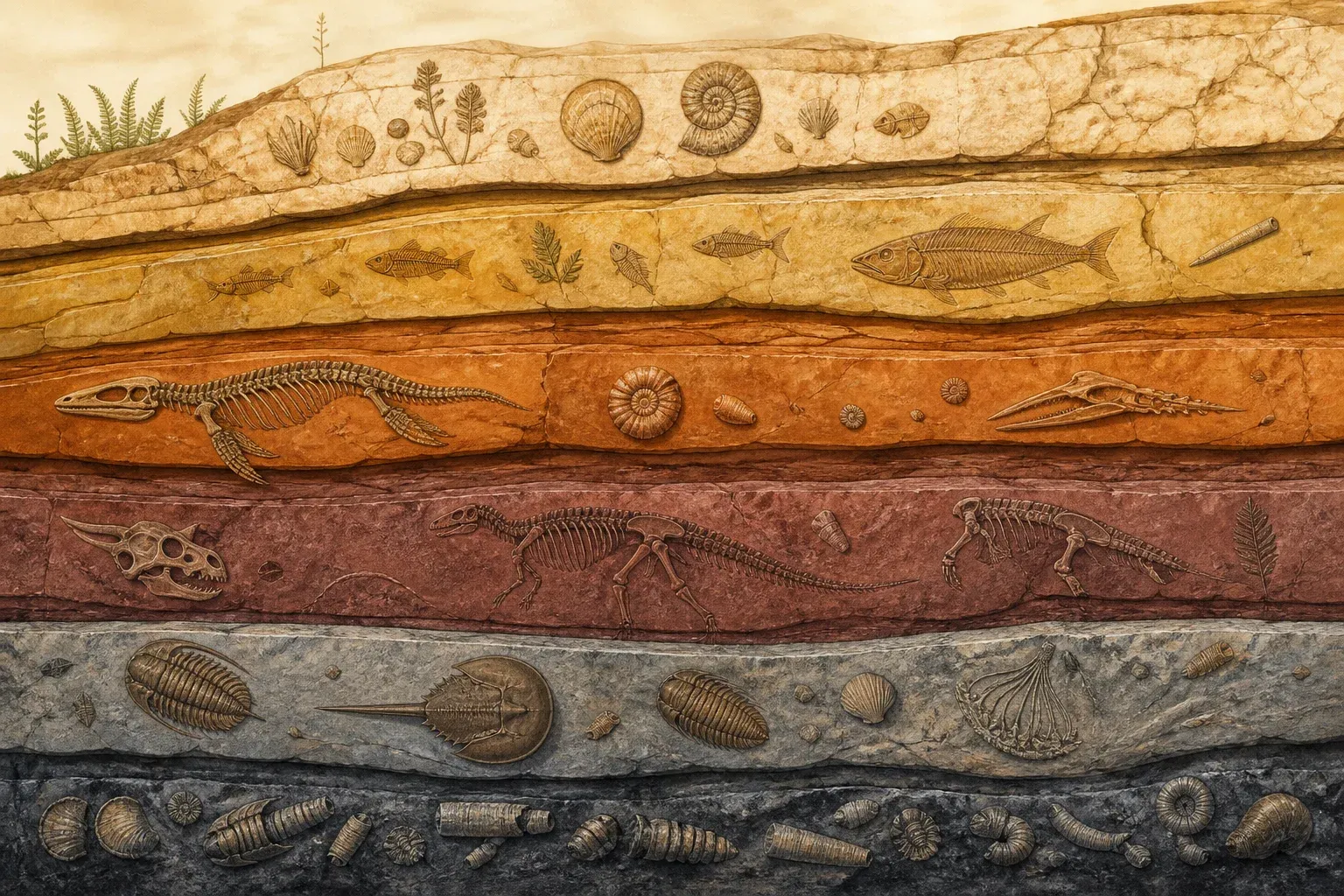
Clear stratigraphic diagrams that show age, rock type, and fossil content side by side are among the most useful tools for beach visitors. When an exhibit labels a specimen with both its common name and its formation of origin, a visitor can later recognize similar material in situ rather than relying on memory alone. Interactive tide and erosion models, even simple mechanical or digital versions, help explain why fossils appear after winter storms and why returning to the same beach six months later can look like visiting a different site entirely.
Responsible museums also address ethics and regulations directly. Panels that explain legal collection limits, the difference between surface finds and excavation, and the scientific value of leaving specimens in context set a tone that reduces accidental damage in the field. Some centers partner with land managers to display replicas rather than fragile originals, preserving research material while still giving the public a tangible reference point.
The best coastal museum visit does not end at the exit door. It changes how you scan a cliff face, how you read grain size in a rock layer, and how you decide whether a fragment in the sand is worth picking up.
Planning a Museum-and-Beach Itinerary
Sequence matters. Visiting an interpretive center before walking the shore typically produces a richer experience than reversing the order, because exhibits supply vocabulary and visual references that make field observations more precise. A practical itinerary often follows these steps:
- Review the museum's hours and any timed-entry requirements, especially for smaller facilities with limited staffing.
- Spend time at stratigraphic and map exhibits, noting formation names and approximate ages relevant to beaches you plan to visit.
- Ask staff or volunteers about current erosion patterns, recent storm exposure, and any temporary trail closures.
- Photograph or sketch key diagrams for reference in the field, respecting any no-photography rules in special collections areas.
- Visit the beach at an appropriate tide stage, using museum guidance to prioritize safe access windows.
- Return to the museum gift shop or research desk only if you have questions about unidentified finds, keeping in mind that removing fossils may be prohibited regardless of identification help offered.
Some travelers prefer a second, shorter museum stop after fieldwork to confirm identifications and compare field photos with displayed specimens. Many staff members welcome this approach when visitors arrive with specific questions rather than sacks of collected material.
Programs, Lectures, and Citizen Science Opportunities
Beyond static exhibits, coastal museums increasingly offer programming that connects public participation with ongoing research. Seasonal lecture series may cover topics such as sea-level rise effects on cliff stability, new species descriptions from local formations, or conservation strategies for sites experiencing heavy foot traffic. Family workshops sometimes include plaster casting, fossil sorting exercises using sand-table simulations, or guided microscope sessions with microfossils.
Citizen science partnerships vary by institution and jurisdiction. Some projects invite volunteers to report erosion events, photograph stratigraphic exposures under standardized conditions, or assist with cataloging historic collections. Participation rules differ sharply from casual collecting on public beaches, and museums generally explain those distinctions during orientation. For travelers, these programs offer a structured way to engage with fossil beaches without assuming that personal collection is either permitted or necessary for a meaningful visit.
Accessibility, Collections Access, and Research Appointments
Public galleries represent only a fraction of most museum holdings. Research collections stored behind the scenes may contain type specimens, comparative material, and archives of field notes that clarify how a coastline was studied over decades. Researchers and serious students can sometimes arrange appointments to examine these collections, though policies vary and advance notice is usually required.
Accessibility features in coastal museums mirror those at other institutions but deserve explicit planning for visitors combining indoor and outdoor segments in one day. Elevator access, seating in galleries, tactile exhibits, and audio descriptions are increasingly common, yet trail access from museum grounds to nearby overlooks or beach stairways may still involve stairs, uneven pavement, or steep grades. Checking both indoor accessibility and outdoor route difficulty before booking travel avoids unpleasant surprises, particularly for multigenerational groups.
Supporting Institutions Responsibly
Museums along fossil coastlines operate under funding pressures common to cultural and scientific institutions everywhere: staffing shortages, deferred maintenance, and fluctuating visitation. Admission fees, membership programs, and gift shop purchases typically support education and conservation more directly than most visitors assume. Donations designated for collection care, digitization of historic specimens, or bilingual exhibit updates can have lasting impact.
Respectful visitor behavior matters as well. Following photography policies, supervising children near fragile specimens, and refraining from touching unless invited preserves both objects and staff morale. If a museum provides field guidelines, sharing them with travel companions before leaving the building reduces conflicts on the beach later in the day.